Why Hypno- psychotherapy?

Understanding the Differences Between Hypnotherapy, Hypno-Psychotherapy, and Psychotherapy
Many people wonder about the difference between hypnotherapy, hypno-psychotherapy, and psychotherapy. While all three can help people overcome emotional or behavioural challenges, they work in slightly different ways and at different levels of the mind.
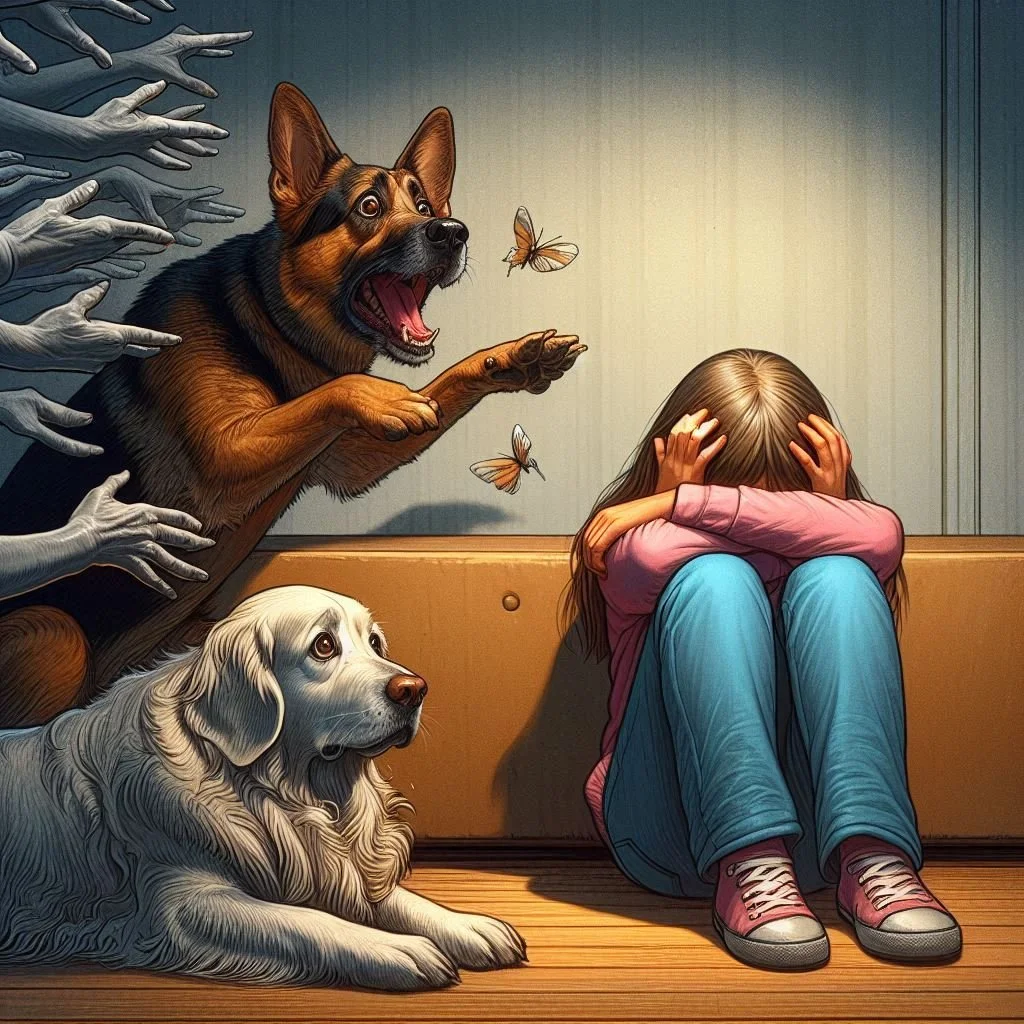
Here’s a simple way to understand how each approach might help a person who is afraid of dogs.
Psychotherapy
A psychotherapist works primarily with the conscious mind through conversation, exploration, and psychological techniques.
In this case, the therapist might:
Help the client understand how fear and anxiety work in the body and mind (psychoeducation).
Explore when and how the fear began through discussion and reflection.
Use exposure therapy, where the client gradually faces dogs in a controlled and supported way.
Teach coping strategies such as breathing or mindfulness to reduce anxiety during exposure.
This approach focuses on insight, conscious awareness, and behavioural change over time.
Hypnotherapy
A hypnotherapist works with both the conscious and subconscious mind using hypnosis to create focused relaxation and openness to change.
For the fear of dogs, a hypnotherapist might:
Begin with some psychoeducation and calming techniques to reduce anxiety.
Teach the client emotional regulation tools to manage automatic fear responses.
Use hypnotic suggestions to “stop and replace” fearful reactions with calm, confident ones.
Guide the client through behavioural rehearsal in trance, imagining safe and positive interactions with dogs.
This helps the subconscious mind begin to accept new patterns and responses, making change feel more natural and automatic.
Hypno-Psychotherapy
A hypno-psychotherapist integrates both psychotherapy and hypnotherapy, working consciously and subconsciously to address root causes as well as current symptoms.
In this case, the practitioner might:
Use all the techniques above such as psychoeducation, emotional regulation, and behavioural rehearsal.
In hypnosis, use regression techniques to safely revisit the original cause of the fear (for example, a frightening event with a dog in childhood).
Help the client reframe the memory from an adult perspective, releasing the emotional charge while keeping the learning.
Integrate the insights gained into daily life through ongoing therapeutic discussion and subconscious reinforcement.
This approach allows deep emotional healing and lasting change by addressing both the origin and expression of the fear.
The BCHAPS Approach: Exclusive to ICHP-Trained Practitioners
My approach to hypno-psychotherapy is based on the BCHAPS model, developed by Dr. Joe E. Keaney, founder of the Institute of Clinical Hypnotherapy and Psychotherapy (ICHP).
BCHAPS stands for Brief, Cognitive, Hypno-Analytical Psychotherapy & Psychotherapy System, a comprehensive and integrative method that brings together some of the most effective therapeutic models in psychology and hypnosis.
This approach blends:
Brief therapy principles, focusing on practical and time-efficient results.
Cognitive and behavioural methods, helping clients challenge and reshape limiting thought patterns.
Hypno-analytical techniques, which access the subconscious mind to uncover and resolve the root causes of emotional or behavioural issues.
Psychotherapeutic depth, ensuring that insights and change are fully integrated into conscious awareness.
The BCHAPS model allows clients to experience change not only at the level of behaviour or thought but also at the deep emotional origins that often drive long-standing issues.
Why This Approach Is Unique
BCHAPS is taught exclusively through the Institute of Clinical Hypnotherapy and Psychotherapy (ICHP), a respected training body with roots in Ireland and Australia.
raduates of ICHP receive specialised training in hypno-analysis, the signature component of BCHAPS, which focuses on identifying and resolving the first cause of a problem through therapeutic regression and reframing.
This means that clients who work with an ICHP-trained hypno-psychotherapist have access to a powerful and evidence-informed model that is not available through standard hypnotherapy or counselling.
Where traditional hypnotherapy may focus on symptom relief, hypno-analysis aims for resolution at the source , helping clients experience genuine emotional freedom and long-term change.
Revisiting the Fear of Dogs with BCHAPS
Returning to the example of a woman afraid of dogs:
Using the BCHAPS framework, the hypno-psychotherapist might:
Begin with cognitive and behavioural strategies to stabilise symptoms and build confidence.
Use hypnosis to access the subconscious mind and explore where the fear first began, perhaps a childhood incident involving a barking dog.
Facilitate a safe regression to that moment, helping the client understand the event from an adult perspective and release the trapped emotion associated with it.
Integrate new insights and emotional responses through suggestion and reinforcement techniques, allowing calm, confident reactions to become the new normal.
This process goes beyond managing symptoms, it resolves the emotional imprint that created the fear in the first place.